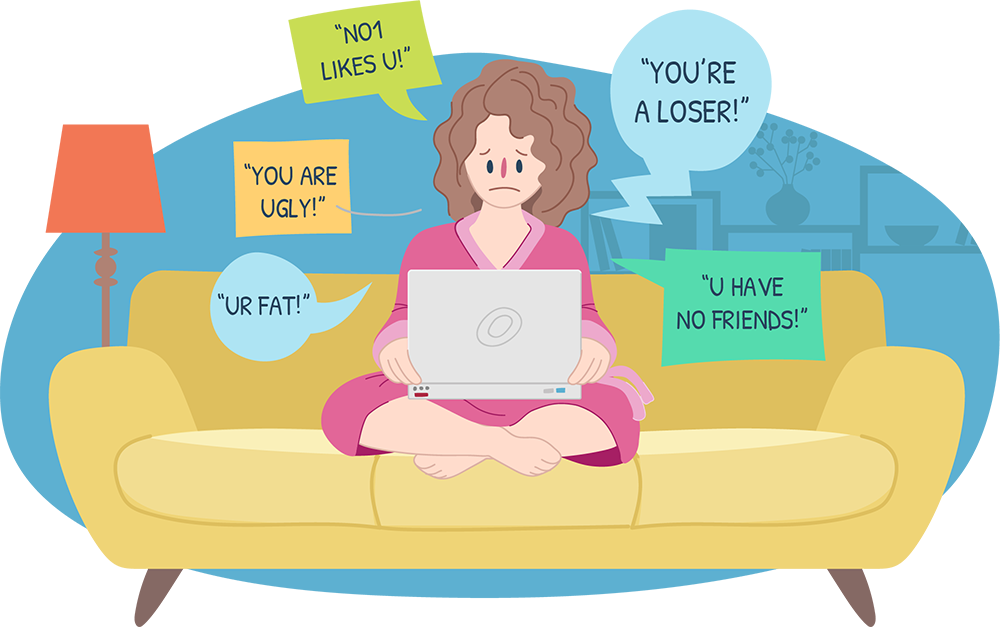
Cyberbullying is using technology to hurt someone else. For example:
- Sharing nasty, hurtful or abusive messages or emails
- Humiliating others by posting/sharing embarrassing videos or images
- Spreading rumours or lies online
- Setting up fake online profiles
- Repeated harassment and threatening messages
Where does cyberbullying occur?
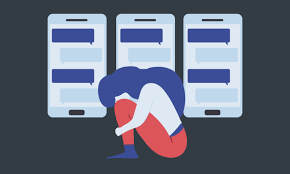
Cyberbullying can happen in many places, all of which are related to the Internet. Social media platforms, such as Facebook, Instagram, Wechat, etc are among the most common places where bullying happens. Individuals might also receive nasty emails, threatening text messages, rude or cruel instant messages or even entire websites devoted to tearing them down.

When does cyberbullying occur?
Sometimes cyberbullying lasts only as long as the proactive individual allows it to last. For instance, the victim might shut down their social media accounts and block texts from offending parties, yet not all victims of bullying can take such steps. For example, someone who must use a social media account for work or school cannot easily close their accounts. Also, an individual with a persistent bully will have much more trouble shaking their aggressor, as the perpetrator can continue to make extra fake accounts to continue their harassment, possibly for years.
How does cyberbullying happen?
Cyberbullying usually doesn’t have the component of physical threats, as face-to-face bullying does. However, the psychological effects of bullying online might be much worse. Cyberbullying is nerve wracking in that the person being bullied never knows when and where to expect another attack. They often have little protection, as bullies will change user names and hide behind anonymous posts. The result is often serious issues with self-esteem and trust, a greater risk of depression and suicide.
What if cyberbully happen on yourself ?
- Keep the evidence – As soon as the bullying starts, compile evidence. This can include text messages, emails, screenshots, instant message conversations, IP addresses and anything else that can be acquired. Keep note of dates and times, as well. This will be useful if the cyberbullying escalates or continues because law enforcement will need a record of events.
- Talk it out – Being attacked in any way can be disturbing. Talking about it with someone trusted can help a victim gather courage to stop the behavior.
- Block them – Cyberbullies who can’t get in touch with the victims can’t do much to hurt them. Block them immediately when the bullying starts. If they create new accounts, block those, too. Warn friends and family to report any behavior they witness, as well.
- Go private – Many social media accounts allow users to go private, which means the user gains control of who sees what is shared online. Keep the profiles private until the bullies back off.
- Don’t retaliate – Though it might be tempting to give them a taste of their own medicine, this only opens up the victim up to more problems. Take the high road and ignore them.
- Report their actions – Many sites will not tolerate bullying. Report the bullies to the site administrators, along with the evidence that has been compiled. Point out the sections of the terms of service that are pertinent.
- Contact the school – Campus security or other offices should know about the bullying. Give them as much information as possible, even if the abusers are anonymous.
- Contact law enforcement – If things escalate, go to local law enforcement and file a formal complaint.
 Xin Yi Blog
good information!
LikeLike
nice blog!
LikeLike
thank for sharing
LikeLike
good information!
LikeLike
pretty!
LikeLike
Yes, we should make a peace society
LikeLike
Good content !
LikeLike
great
LikeLike
Good information!
LikeLiked by 1 person
well written
LikeLiked by 1 person
Good job!
LikeLiked by 1 person
Well done~
LikeLike
Nice info with good design
LikeLike
Hope this article can help people who face this problem
LikeLike
Nice blog, thank for sharing , and increase awareness
LikeLike
You are right!
LikeLike
Great information 👍👍👍
LikeLike
thanks for sharing!
LikeLike
Nice blog😉
LikeLike
We should stop cyberbullying 👍
LikeLike
Nice blog!!
LikeLike
Good job !!
LikeLike
clear and well done love your blog!!
LikeLike
Great Job
LikeLike
nice
LikeLike
nice blog
LikeLike